Emergency Preparedness & Community Resilience Hub
Emergency Preparedness, Community Resilience, Disaster Readiness
Welcome to The Emergency Preparedness Network: Your Hub for Personal and Community Readiness
The Emergency Preparedness Network exists for one purpose—helping individuals, families, and neighborhoods face crises with confidence instead of fear. Whether you are preparing for storms, wildfires, power outages, or public health emergencies, this site is designed to give you clear guidance, practical tools, and a trusted pathway to greater resilience at home and in your community.
Be Ready Before the Crisis Starts
Trusted guidance, training, and tools for everyday individuals and families.

What The Emergency Preparedness Network Offers Individuals
The Emergency Preparedness Network brings together proven practices from emergency management, public health, and community organizing, then translates them into straightforward steps you can use in daily life. Drawing on current guidance—from FEMA’s training frameworks and independent study courses to global trends in simulation-based preparedness and emergency communications—you receive information that is aligned with how professionals plan and respond, yet written for non‑experts (FEMA, WHO, IFRC).
Clear, step‑by‑step preparedness guides — From building a 72‑hour kit to planning for long‑term disruptions, you gain structured checklists and planning templates you can complete in under an hour, then refine over time.
Risk‑aware, location‑focused advice — Content emphasizes local hazards, weather patterns, and infrastructure, helping you tailor plans for your region and household, not someone else’s circumstances.
Community resilience strategies — You learn how to connect with neighbors, local officials, and volunteer networks, mirroring approaches used by America’s First Responders Network and Project ECHO’s preparedness collaboratives to strengthen local response capacity.
Reliable information in an age of misinformation — With global reports now labeling harmful narratives during crises as a humanitarian threat, the Network prioritizes verified, plain‑language content and teaches you how to evaluate sources before, during, and after an emergency.
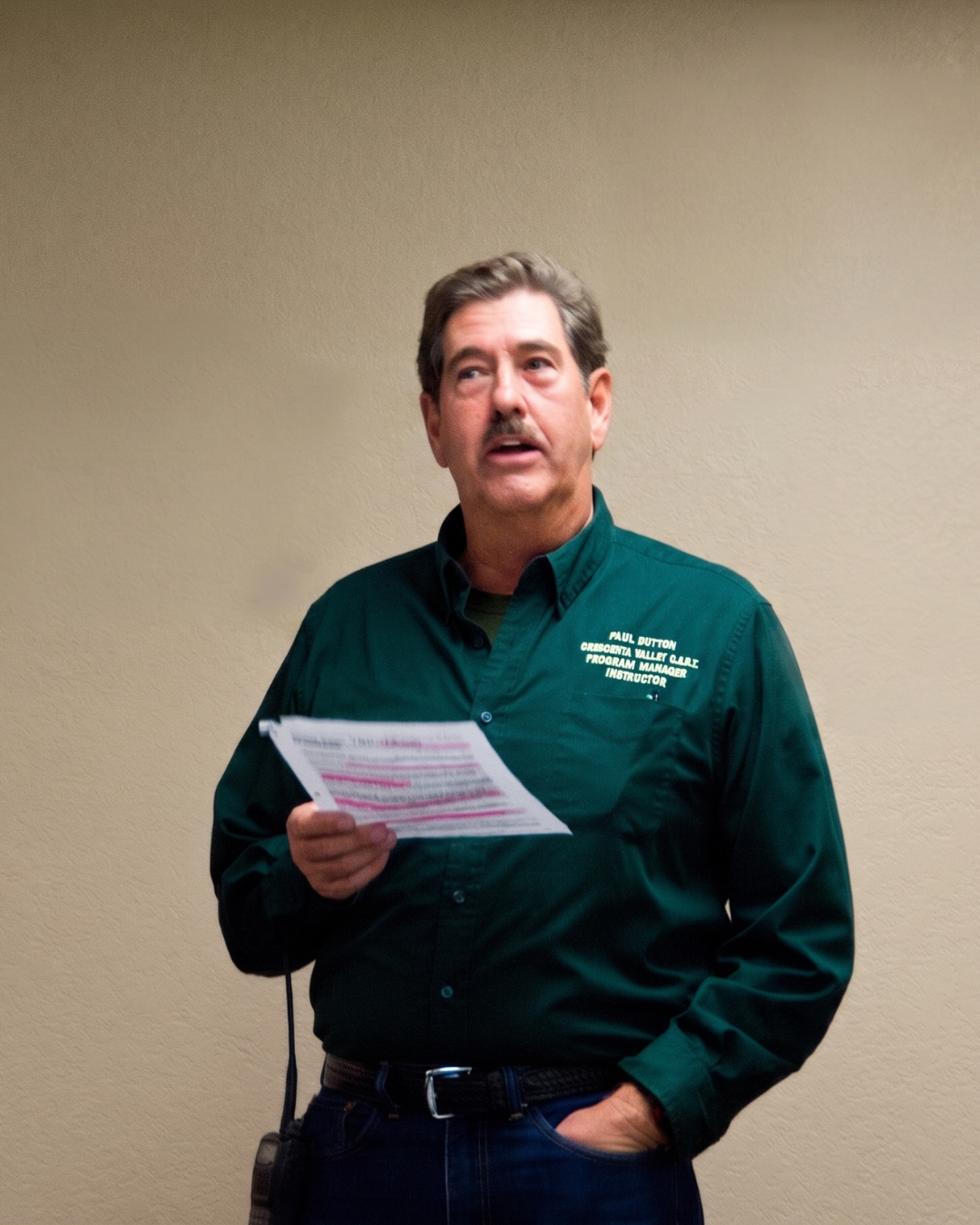
Who Is Behind the Network: A Brief List of Paul Dutton’s Roles and Focus Areas
The Emergency Preparedness Network is closely associated with the work and leadership of Paul Dutton, whose efforts center on practical, community‑level readiness. While specific biographical details vary by source, his contributions can be summarized through the key roles and focus areas he is commonly linked with in the preparedness space:
Community preparedness advocate — Promotes household‑level planning, emphasizing that every individual can take meaningful steps to reduce risk before professional responders arrive.
Trainer and educator — Develops and supports training that mirrors best practices used by national and international agencies, but adapted for non‑technical audiences, including families, caregivers, and small business owners.
Network builder — Works with local governments and partner organizations to align individual preparedness with municipal emergency plans, improving coordination before, during, and after disasters.
Champion of resilience over fear — Frames preparedness as an empowering, ongoing habit rather than a one‑time reaction to headlines, encouraging steady, realistic progress for people at every income and experience level.
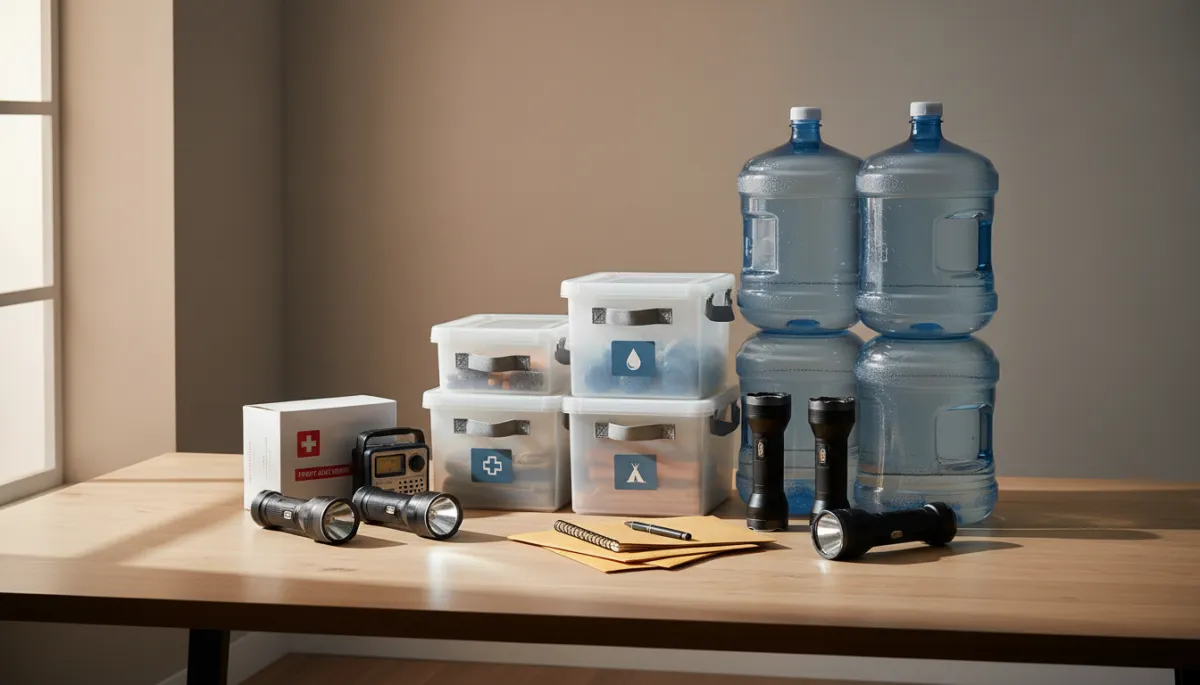
Small, consistent steps—like assembling basic kits—dramatically improve personal and family resilience.
How This Network Strengthens Everyday Resilience
Modern emergencies are more complex—faster‑moving storms, cascading infrastructure failures, cyber incidents, and public health threats that spread across borders. International research highlights the growing use of AI, advanced communications, and systematic simulations to keep professional systems ready, yet individuals are often left with fragmented advice and outdated lists. The Emergency Preparedness Network closes that gap by:
Translating professional standards into realistic household actions, so your plan aligns with how emergency operations centers actually function in your region.
Encouraging simple “micro‑exercises”—short, scenario‑based walk‑throughs you can do with family or neighbors to test communication, evacuation, and shelter‑in‑place plans.
Highlighting the importance of information resilience, so you know where to find trusted alerts, how to verify what you see online, and how to share accurate updates without amplifying rumors.
Frequently Asked Questions: Getting Started as an Individual
FAQ Block 1 — Personal and Family Preparedness Basics
Q1: I am new to preparedness. Where should I start?
Begin with three essentials—water, food, and communication. Build a 72‑hour supply of water and non‑perishable food for each person, list critical contacts, and identify at least two meeting points: one near home, one outside your neighborhood. The site’s starter checklists walk you through each step.
Q2: How can I make preparedness affordable?
Focus on incremental progress. Add one or two items—such as batteries, canned goods, or a flashlight—to regular shopping trips. Use existing backpacks or storage bins instead of buying specialized gear. The Network emphasizes realistic, budget‑conscious options rather than expensive equipment.
Q3: What about children, older adults, or pets?
Every plan must reflect the specific people in your household. That means medications, mobility aids, comfort items for children, copies of medical records, and pet food, leashes, and carriers. The guides include prompts so you do not overlook these critical details.
FAQ Block 2 — Community, Information, and Local Hazards
Q4: How does this Network connect with my local community?
The Emergency Preparedness Network encourages you to plug into existing structures—local emergency management offices, neighborhood associations, faith communities, and volunteer responder programs. You will find guidance on starting conversations with officials, joining training opportunities, and aligning your household plan with local alerts and evacuation routes.
Q5: How do I stay informed during a fast‑moving disaster?
The site explains how to combine official channels—such as local alert systems, NOAA weather radios, and trusted news outlets—with backup methods like satellite‑enabled or battery‑powered communications when power or cell networks fail. It also covers how to recognize and avoid misinformation, which global humanitarian reports now flag as a major risk during crises.
Q6: Can this help if I live in a high‑risk area?
Yes. Whether you face hurricanes, wildfires, earthquakes, or severe winter storms, the principles are the same: understand your hazards, know your evacuation and shelter‑in‑place options, protect vital documents, and maintain essential supplies. The Network’s materials help you adapt these principles to your geography and housing situation.
A Clear Path to Being Ready Before It Matters Most
Emergencies will continue to evolve—driven by climate, technology, and global health trends—but the fundamentals of personal resilience remain constant: plan, equip, practice, and stay informed. The Emergency Preparedness Network gives you a structured, trustworthy way to do all four, at a pace that fits your life. Explore the guides, adapt them to your household, and share what you learn with others. Prepared individuals strengthen prepared communities, and prepared communities save lives.